Authentic Argentinian Chimichurri Sauce Recipe
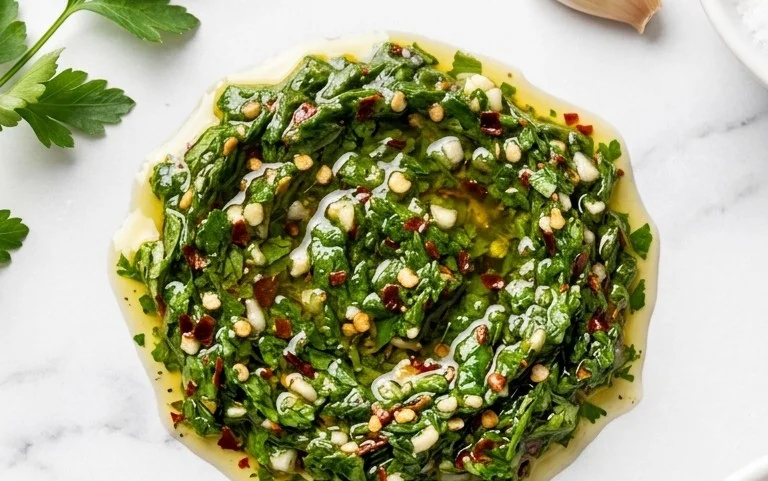
Chimichurri sauce is more than just a condiment; it’s a vibrant explosion of flavor that can elevate everything it touches. Imagine a bright, herbaceous pesto, but with an Argentinian soul, bursting with the zesty punch of fresh parsley, the pungent bite of garlic, and the gentle warmth of chili flakes, all harmoniously bound by good olive oil and a splash of vinegar. This Argentinian staple has captured hearts (and taste buds!) worldwide because it’s incredibly versatile and irresistibly delicious. It’s the secret weapon that transforms grilled meats into a fiesta, adds zing to roasted vegetables, and even jazzes up a simple fried egg. What makes this chimichurri sauce so special is its inherent freshness and the perfect balance of its ingredients. It’s a simple yet profound symphony of green goodness that I can’t get enough of.
The Vibrant Heart of Argentinian Grilling: Mastering Chimichurri Sauce
There are few sauces that possess the sheer zest and versatility of chimichurri. Hailing from Argentina, this herbaceous, garlicky, and tangy concoction is the quintessential accompaniment to grilled meats, but its bright flavors are a revelation on almost anything. Forget those pre-made bottles; crafting your own authentic chimichurri is incredibly simple and incredibly rewarding. It’s a sauce that shouts freshness, a verdant explosion that cuts through richness and elevates even the simplest of dishes. This recipe will guide you through creating a batch of homemade chimichurri that will become a staple in your kitchen, perfect for barbecues, weeknight dinners, and even as a vibrant salad dressing.
Ingredients:
- 1 1/2 cups well packed (42g) fresh parsley
- 1/2 cup well packed (20g) fresh cilantro
- 1/4 cup (9g) fresh oregano or 1 tsp dried
- 1/4 small red onion or one small shallot
- 3 garlic cloves
- 3 Tbsp red grape juice vinegar
- 2 Tbsp fresh lemon juice
- 1/2 tsp salt, (then more to taste)
- 1/4 tsp red pepper flakes ((optional, more or less to taste))
- 3/4 cup olive oil
Crafting Your Chimichurri Masterpiece
The beauty of chimichurri lies in its simplicity. It’s primarily about fresh ingredients chopped finely and then brought together with a well-balanced vinaigrette. There’s no cooking involved, just careful preparation and a little bit of patience for the flavors to meld.
1. Prepare Your Fresh Herbs: Begin by thoroughly washing your fresh parsley and cilantro. It’s crucial to ensure they are completely dry before chopping. Excess water can dilute the flavor and affect the consistency of your sauce. You can use a salad spinner for this, or pat them dry with paper towels. For the parsley, we want the leaves and tender stems, but discard any thick, woody stems. Similarly, remove the thicker stems from the cilantro. For the oregano, if you’re using fresh, you’ll want to finely chop the leaves. If you’re opting for dried, you can add it directly in the next step, but be mindful that dried herbs are more potent, so start with the recommended amount and adjust if needed.
2. Finely Mince Aromatics: Next, we’ll tackle the aromatics. For the red onion (or shallot), you want to mince it as finely as possible. If you find raw onion too pungent, you can rinse the minced onion under cold water for about 30 seconds and then pat it dry to reduce its sharpness. This step is optional but can make a significant difference for those sensitive to raw onion. For the garlic, peel the cloves and then mince them very finely. You can also use a microplane to grate the garlic, which will create a very fine paste and distribute its flavor more evenly throughout the sauce. Aim for a consistency where you can barely distinguish individual pieces of onion and garlic once chopped.
3. Combine the Dry Ingredients and Seasoning: In a medium bowl, combine the finely chopped parsley, cilantro, and oregano. Add the minced red onion (or shallot) and the minced garlic to the bowl. Now, it’s time for the initial seasoning. Sprinkle in the salt and the red pepper flakes if you’re using them. Remember, the salt will also help to draw out some moisture from the herbs and aromatics, further enhancing the flavor concentration. Give these ingredients a gentle stir to distribute them evenly. At this stage, you can already smell the vibrant aroma beginning to develop, a promise of the deliciousness to come.
4. Whisk Together the Acidic Base: In a separate small bowl or a liquid measuring cup, whisk together the red grape juice vinegar and the fresh lemon juice. The acidity is key to chimichurri’s bright and refreshing character. Red grape juice vinegar offers a subtle fruity note and a beautiful color, while lemon juice adds a classic citrus punch. Whisk these together until they are well combined. This acidic mixture will form the emulsifying base for our oil.
5. Emulsify for the Perfect Chimichurri: Now, it’s time to bring it all together. While continuously whisking the vinegar and lemon juice mixture, slowly drizzle in the olive oil. This gradual addition of oil while whisking is crucial for creating an emulsification, which means the oil and the liquid base will bind together to form a smooth, cohesive sauce rather than separating into distinct layers. Continue whisking until the sauce is well combined and has a slightly thickened, homogenous texture. If you find that your sauce is a little too thick for your liking, you can add another tablespoon of olive oil or a touch more vinegar or lemon juice, but be sure to taste and adjust as you go.
6. Allow Flavors to Mingle: Once everything is combined, taste your chimichurri. This is your opportunity to adjust the seasoning. Does it need more salt? More heat from the red pepper flakes? Perhaps a touch more acidity from the vinegar or lemon juice? Don’t be afraid to personalize it to your preference. Once you’re happy with the flavor, cover the bowl and let the chimichurri sit at room temperature for at least 30 minutes before serving. This resting period allows the flavors to meld and deepen, transforming from individual components into a harmonious and irresistible sauce. For an even more intense flavor, you can let it rest for a couple of hours, or even refrigerate it overnight. Just remember to bring it back to room temperature and give it a good stir before serving.
Chimichurri is incredibly versatile. Spoon it generously over grilled steak, chicken, or fish. It’s also fantastic on roasted vegetables, as a marinade, or even stirred into grains like quinoa or rice. Enjoy the explosion of fresh, vibrant flavor!
Conclusion:
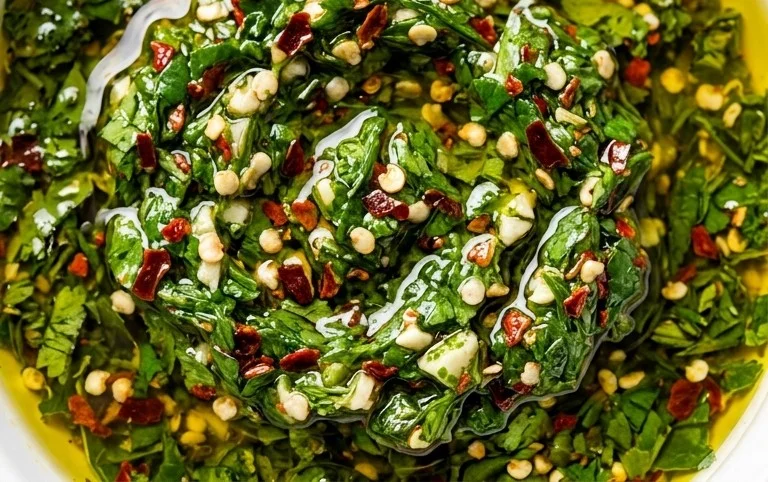
I hope you’re as excited as I am to whip up this vibrant and incredibly versatile chimichurri sauce! This recipe is truly a game-changer because it’s so fresh, packed with herbaceous flavor, and surprisingly simple to make. It transforms ordinary grilled meats, roasted vegetables, and even simple sandwiches into something truly special. The bright tang of vinegar, the pungent kick of garlic, and the fragrant aroma of parsley and oregano create a symphony of taste that complements so many dishes.
Don’t limit yourself to just steak; this chimichurri is fantastic drizzled over chicken, fish, beef, lamb, grilled halloumi, roasted potatoes, or even stirred into a quinoa salad. Get creative with your serving suggestions! For variations, consider adding a pinch of red pepper flakes for a touch of heat, or even a small amount of finely chopped cilantro for an extra layer of herbaceousness. I truly encourage you to give this chimichurri sauce recipe a try. It’s a staple in my kitchen, and I know it will become one in yours too!
Frequently Asked Questions:
How long does chimichurri sauce last?
When stored in an airtight container in the refrigerator, this fresh chimichurri sauce will typically last for about 5-7 days. The acidity from the vinegar helps to preserve it.
Can I make chimichurri sauce ahead of time?
Absolutely! In fact, I find the flavors meld beautifully if you make it a few hours or even a day in advance. This allows the herbs and garlic to really infuse the olive oil and vinegar.
What if I don’t have fresh oregano?
While fresh herbs are ideal for the best flavor, you can substitute dried oregano. Use about 1 tablespoon of dried oregano for every 1/4 cup of fresh oregano called for in the recipe. Be aware that the flavor will be a bit less bright and intense.
Chimichurri Sauce
A vibrant and herbaceous Argentinian sauce, perfect for grilled meats, vegetables, and more.
Ingredients
-
1 1/2 cups well packed fresh parsley
-
1/2 cup well packed fresh cilantro
-
1/4 cup fresh oregano or 1 tsp dried
-
1/4 small red onion or one small shallot
-
3 garlic cloves
-
3 Tbsp red grape juice vinegar
-
2 Tbsp fresh lemon juice
-
1/2 tsp salt, (then more to taste)
-
1/4 tsp red pepper flakes ((optional, more or less to taste))
-
3/4 cup olive oil
Instructions
-
Step 1
Finely chop the fresh parsley, cilantro, oregano (if using fresh), red onion (or shallot), and garlic. -
Step 2
In a medium bowl, combine the chopped herbs, onion/shallot, and garlic. -
Step 3
Add the red grape juice vinegar, fresh lemon juice, salt, and red pepper flakes (if using). -
Step 4
Whisk everything together until well combined. -
Step 5
Slowly drizzle in the olive oil while whisking continuously until the sauce emulsifies. -
Step 6
Taste and adjust salt and red pepper flakes as needed. -
Step 7
For best flavor, let the chimichurri sit for at least 15-30 minutes before serving to allow the flavors to meld. It can also be made ahead of time and stored in the refrigerator.
Important Information
Nutrition Facts (Per Serving)
It is important to consider this information as approximate and not to use it as definitive health advice.
Allergy Information
Please check ingredients for potential allergens and consult a health professional if in doubt.